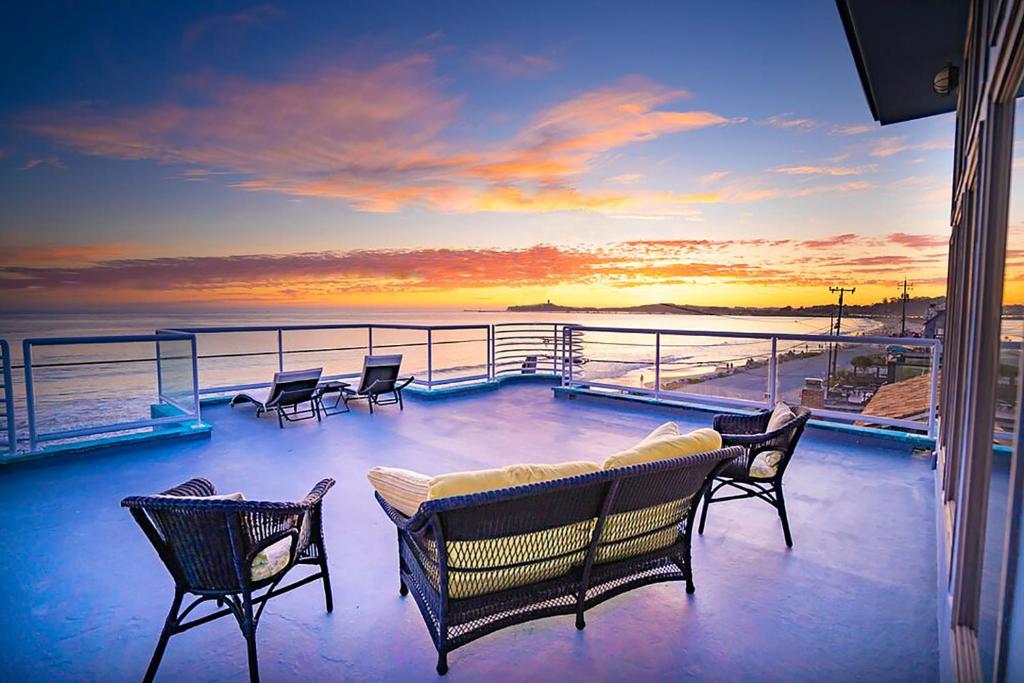
Best Beachfront Penthouse Suites in the US: A Strategic Asset Audit
The beachfront penthouse stands as a unique architectural paradox. It seeks to harmonize the immense, corrosive power of the marine environment with the extreme structural demands of vertical habitation. Unlike its urban counterpart, which grapples with wind load and urban density, the coastal asset contends with a perpetual, high-salinity atmosphere that accelerates material degradation at an industrial scale. To inhabit such a space is not merely to occupy a vantage point above the surf; it is to engage with a high-maintenance, engineered vessel designed to withstand one of nature’s most aggressive environments.
When analyzing the prestige of these locations, observers frequently prioritize the aesthetic vista—the unobstructed horizon or the immediate proximity to the tide line. Such focus is understandable, yet it ignores the fundamental operational requirements that determine the longevity of the asset. A penthouse situated on the oceanfront is constantly subjected to structural salt-spray infiltration, severe UV degradation of sealants, and fluctuating, high-humidity pressure gradients. The success of an elite coastal residence depends entirely on the resilience of its envelope and the rigor of its maintenance protocols.
This analysis provides a comprehensive audit of the beachfront residential landscape in the United States. We move past the traditional narratives of luxury to address the engineering, fiscal, and operational realities that define the sector. By deconstructing systemic vulnerabilities and opportunities, we establish a robust framework for owners and facility managers to assess, preserve, and optimize these environments. The focus remains on resilience, utility, and long-term viability, providing a definitive reference for those seeking to master the complexities of vertical existence on the American coast.
Understanding “best beachfront penthouse suites in the us”
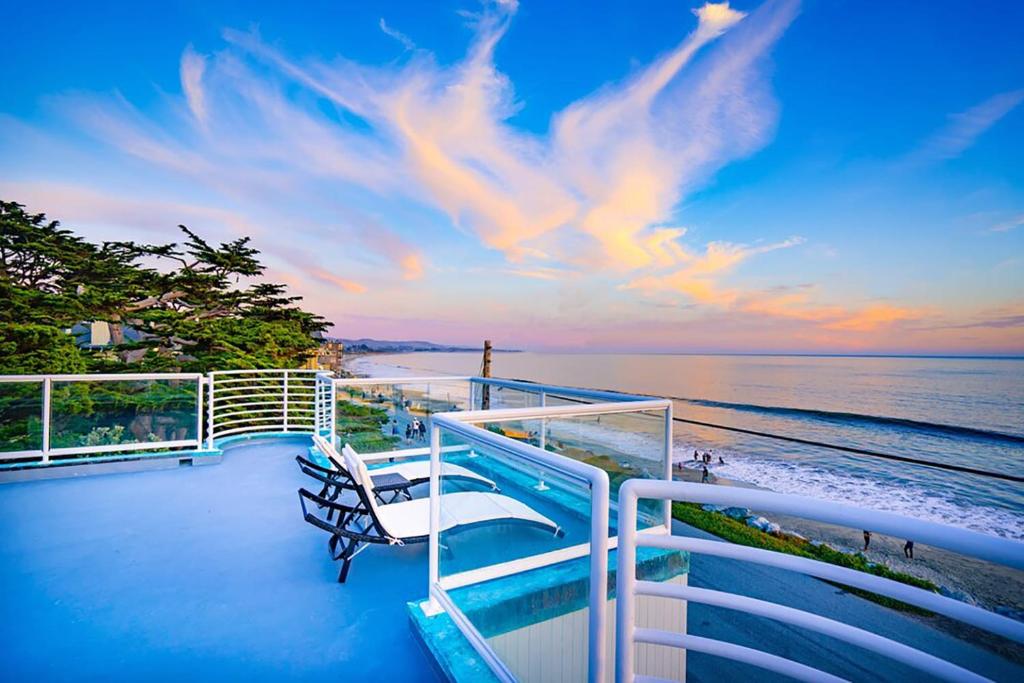
When industry professionals analyze the best beachfront penthouse suites in the us, they frequently encounter the “Corrosion-Aesthetics Paradox.” This occurs when the architectural design—often prioritizing expansive glass and metallic finishes—is fundamentally incompatible with the surrounding maritime climate. The most visually arresting assets in the market often become the most difficult to maintain. True mastery of the coastal lifestyle requires a deliberate decoupling of ego from asset.
Furthermore, the experience of these locations is often mischaracterized as a static, relaxing existence. In reality, it is a high-frequency environment requiring dynamic adjustment. The external climate at the top of a beachfront tower differs vastly from the ground level, characterized by relentless wind speeds, intense solar reflection off the water, and unique humidity profiles. Occupants who treat their homes as static boxes invariably face premature seal failure, energy waste, and the long-term degradation of interior finishes. Therefore, the successful resident embraces an auditing approach. They monitor the structural health of the building envelope, track the performance of independent climate systems, and audit the throughput of the building’s service elevators with the same intensity applied to financial portfolios.
Deep Contextual Background: The Evolution of Coastal Verticality
The American beachfront high-rise emerged from a convergence of post-war architectural ambition and the booming demand for vertical leisure. In the mid-20th century, the coastal skyline was dominated by low-density structures. The subsequent shift toward high-density tower development was driven by the desire to maximize land value while providing residents with unprecedented aerial views. However, the early iterations of these structures frequently neglected the systemic demands of the coastal environment, leading to rapid, systemic deterioration.
As we move into a new era of climate sensitivity, the evolution of these assets has shifted toward resilience. Today’s top-tier residences are data-rich, sensor-heavy environments. Engineers now prioritize materials with high-salt resistance and integrated, active dampening systems that account for the unique aerodynamic loading of coastal storms. Understanding this progression is essential for those who wish to identify the best beachfront penthouse suites in the us, as it highlights the reality that these spaces require constant, data-driven stewardship to remain competitive and safe.
Conceptual Frameworks for Asset Evaluation
To audit the performance of these residential assets, we utilize three mental models:
-
The Atmospheric Degradation Model: Assess the vulnerability of the unit’s exterior envelope to salt-spray infiltration. High-performing assets possess verified, high-cycle sealants and corrosion-resistant metallic alloys that insulate the occupant from the pervasive marine environment.
-
The Coastal Logistics Index: Every minute a maintenance team spends navigating a congested coastal tower to address an environment-related issue is a cost. We rank assets by the efficiency of their “service conduit”—the speed and exclusivity of their access protocols for facility staff.
-
The Resilience-to-Vista Ratio: The building envelope is the primary line of defense. We evaluate the asset based on the frequency and methodology of seal inspections, as small breaches in the envelope create compounding energy costs and structural humidity risks that eventually destroy the interior.
Key Categories and Operational Variations
| Category | Typical Mechanical Risk | Primary Asset Utility |
| The Historic Coastal Landmark | Complex MEP/Structural legacy | Unique narrative; character-rich floorplates |
| The New-Build Boutique | High-density corrosion exposure | Modern thermal efficiency; digital integration |
| The Mixed-Use Beachfront Tower | Service access/Throughput demand | Centralized service; multi-tiered security |
| The Low-Rise Terrace Estate | Envelope aging; direct salt exposure | Unmatched terrace scale; biophilic connection |
Decision Logic: When auditing the best beachfront penthouse suites in the us for long-term value, prioritize the “Building Envelope Service Log.” Assets that maintain a rigorous, digitized history of exterior maintenance are fundamentally more secure than those that rely on periodic, reactionary repairs.
Detailed Real-World Scenarios
-
The Atmospheric Infiltration Challenge: Coastal air carries microscopic salts into HVAC intake systems, leading to rapid corrosion of internal coils. Decision: Utilize an independent, marine-grade, air-gapped climate management system for the unit. Second-order effect: This prevents the common issue of moisture accumulation in the ducting, which plagues standard high-rise designs.
-
The Solar-Reflectance Management: The proximity to water causes extreme, multi-directional solar gain. Decision: Prioritize units that utilize active, automated external shading systems. Failure to address this results in significant thermal fatigue on the interior climate control systems, leading to excessive energy expenditure.
Planning, Cost, and Resource Dynamics
The economic profile of coastal high-altitude living is defined by high upfront capital requirements and non-linear operational costs. The “Marine-Complexity Premium” is the deciding factor in fiscal health.
| Cost Component | Relative Impact | Variability |
| Envelope/Facade Preservation | 40% | High |
| Facility Management (MEP) | 25% | Fixed |
| Vertical Logistics/Labor | 20% | Medium |
| Resilience/Backup Systems | 15% | High |
Note: Owners often overlook the opportunity cost of under-utilized terrace space in coastal zones. These areas require significant capital for upkeep and often provide no operational utility if not specifically protected from severe winds and moisture.
The Risk Landscape and Systemic Failure Modes
Failure in these environments is often compounding. A minor issue in climate control leads to catastrophic energy spikes as the system works to compensate for an envelope breach exposed to salt-laden humidity.
-
Digital Fragility: Complex integrated systems become liabilities if they are not modular. Prioritize environments that allow for component-level upgrades rather than total system replacements, which are logistically difficult in a high-density, coastal tower.
-
Thermal Fatigue: The expansion and contraction of building materials at height, combined with extreme solar reflection, lead to inevitable seal failures. If not addressed by a rigid, quarterly inspection schedule, these failures compromise the interior atmosphere and lead to permanent damage.
Governance, Maintenance, and Long-Term Adaptation
To effectively manage the complexities of these residences, planners must adopt a proactive, layered governance model:
-
Quarterly Diagnostic Cycles: Automated, non-destructive testing of HVAC loops, electrical redundancies, and leak-detection arrays, with a specific focus on marine corrosion.
-
Trigger-Based Audits: Establish clear thresholds for when to decommission a failing system rather than continuously patching it. A rule of thumb is to replace systems if maintenance costs exceed 20% of replacement value within a single cycle.
-
Digital Twin Management: Maintain a comprehensive record of every system layout and repair. Future adaptations rely on precision data, not guesswork.
Measurement, Tracking, and Evaluation
Evaluation should focus on the delta between expected and actual performance:
-
Leading Indicators: Energy consumption per cubic foot, frequency of sensor-based error codes, and service response time for mechanical issues related to corrosion.
-
Lagging Indicators: Total maintenance expenditure relative to industry benchmarks for similar-tier, coastal high-altitude assets.
-
Qualitative Signals: User feedback regarding the “frictionlessness” of the transit from the lobby to the unit, which correlates strongly with the efficiency of the underlying mechanical and logistical systems.
Common Misconceptions and Oversimplifications
-
“Beachfront assets are inherently better.” Proximity to the tide line increases structural risk and maintenance liability. The most stable units prioritize the building core over the vulnerable perimeter.
-
“Buildings are static structures.” Towers are dynamic systems; this movement must be accounted for in the structural integrity of the finishes.
-
“Smart technology equals efficiency.” Without manual override capabilities, over-automation in high-altitude environments is a major risk factor.
-
“Lifestyle is a visual experience.” Visuals are marketing; operational uptime is the only metric that matters for a long-term asset.
Conclusion
Mastering the landscape of the best beachfront penthouse suites in the us is fundamentally a diagnostic exercise. It requires moving away from the aesthetic veneer of luxury into the mechanical heart of the skyscraper. The true apex of these environments is found where technical performance meets human-centric vigilance. By focusing on the structural realities of vertical life and rejecting superficial markers of prestige, one identifies residences that serve as high-performance, resilient assets. The future of this market belongs to those who view the residence not as a trophy, but as a sophisticated, adaptable system that must be managed with the same rigor as an industrial installation. In the final analysis, the value of an apex residential asset lies in its ability to provide a consistent, high-functioning environment regardless of external conditions, proving that even at the highest level, the foundation—mechanical, logistical, and systemic—is everything.