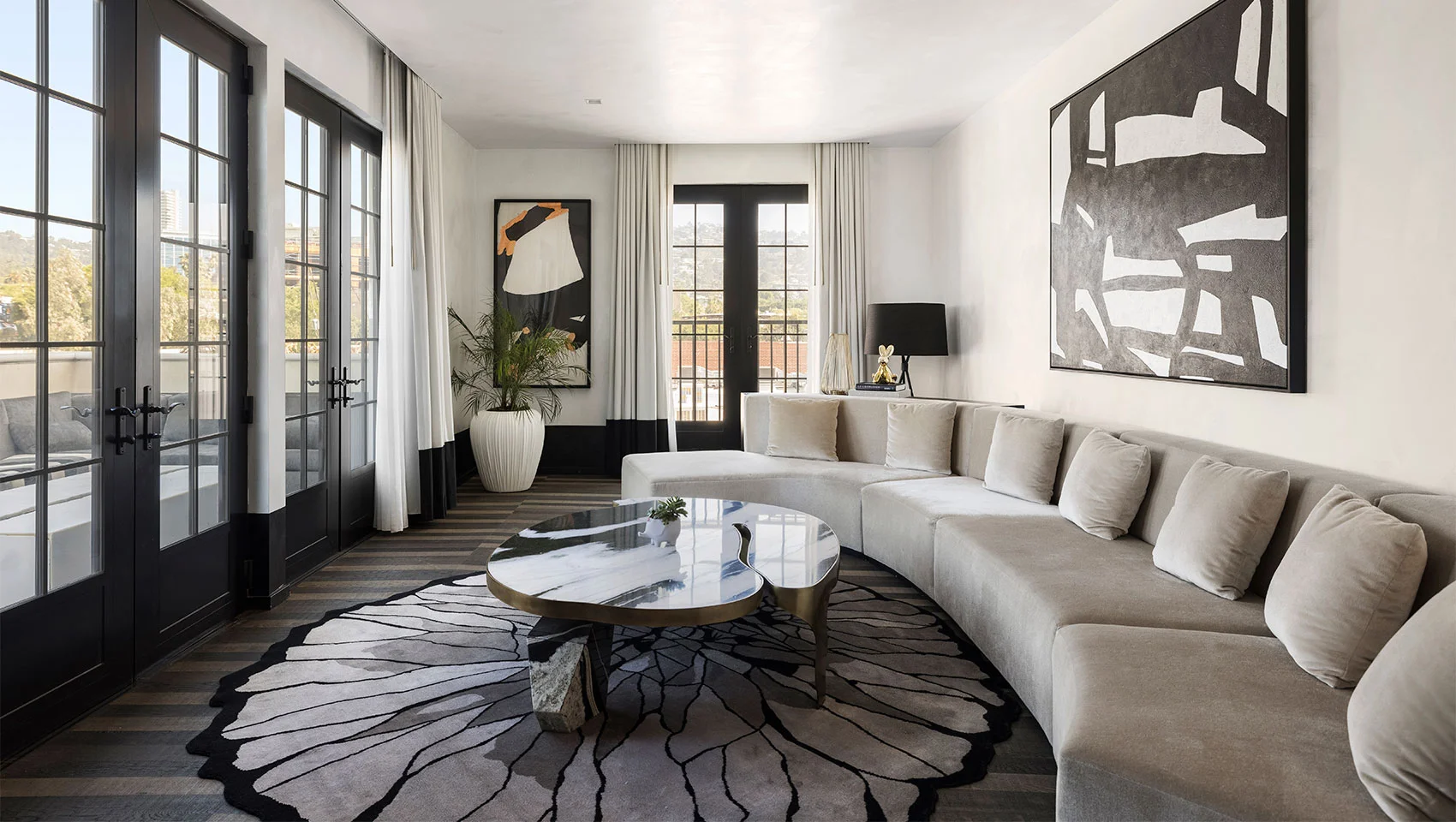
Top Penthouse Suites Packages: A Strategic Asset Audit
The market for high-altitude residential assets has undergone a radical transformation. What was once a transactional exchange of currency for square footage has evolved into the acquisition of highly complex, integrated service ecosystems. The modern penthouse experience is rarely just about the view; it is about the mastery of an environment that exists at the limits of vertical engineering.
For the sophisticated occupant, or the institutional planner responsible for securing such assets, the challenge lies in distinguishing between marketing prestige and operational performance. The success of an elite residential arrangement depends on the ability of the operator to decouple the unit from the common building grid, ensuring that life-support systems—HVAC, data, and security—remain autonomous and reliable regardless of the city’s volatility below.
This analysis deconstructs the structural, operational, and financial realities of high-end residential offerings. We move past the aesthetic surface to provide a rigorous, evidence-based roadmap for understanding the high-stakes world of elite vertical living. By auditing the mechanical DNA and service protocols of these assets, we establish a definitive reference point for assessing value, identifying risk, and managing the long-term performance of environments situated at the absolute limits of the built environment.
Understanding “top penthouse suites packages”
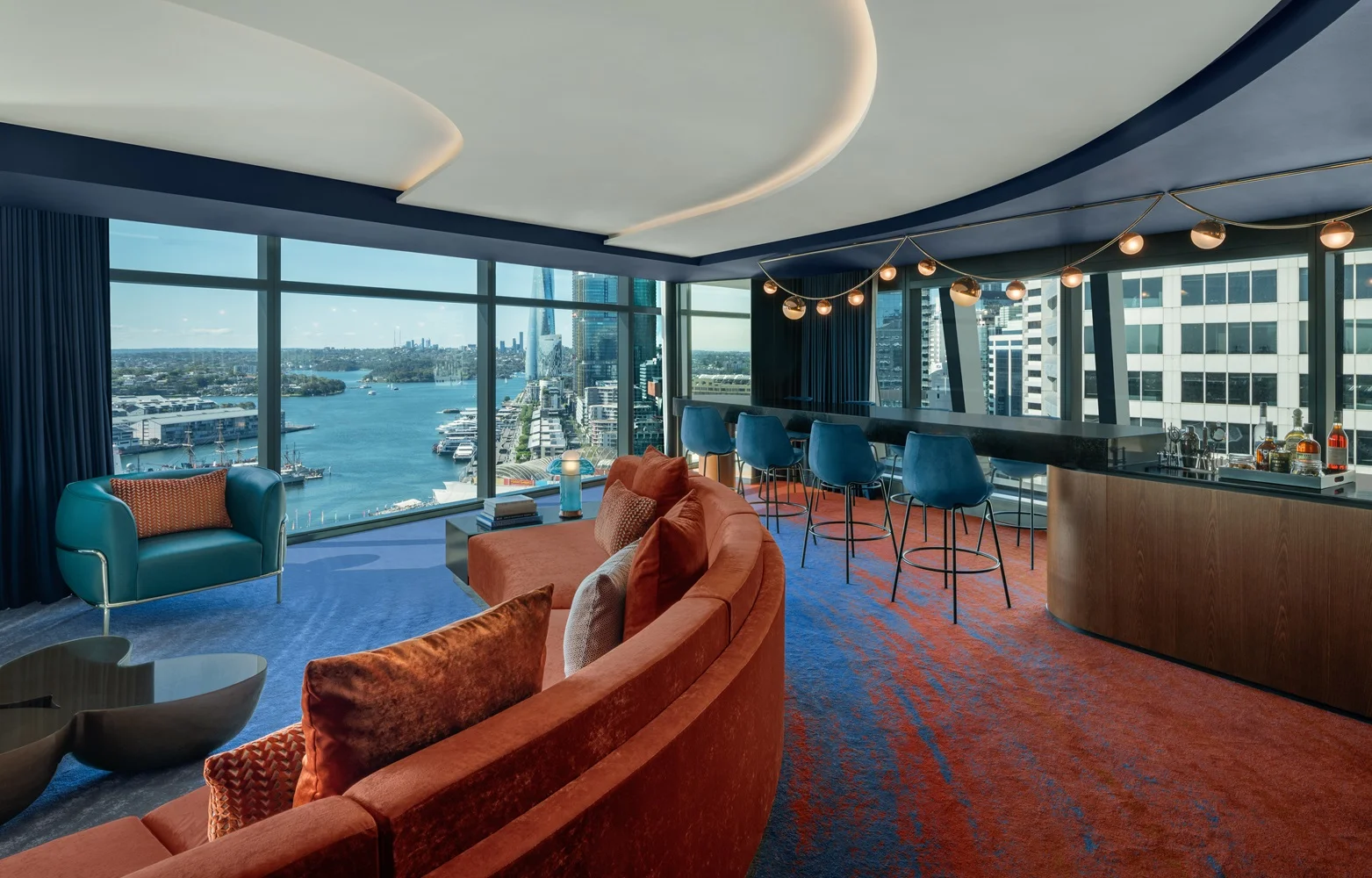
To investigate top penthouse suites packages requires one to acknowledge that the definition of a “package” is shifting from a static amenity list to an agile service architecture. A common misunderstanding occurs when occupants view a package as a fixed set of inclusions—concierge, lounge access, or valet services. In reality, the most resilient packages are defined by their modularity. They provide the occupant with the ability to scale services up or down based on operational necessity, ensuring that resources are never wasted while simultaneously guaranteeing that critical support is always available when the environmental demands of the tower intensify.
Oversimplification in this sector presents a significant risk to the long-term utility of the asset. The “Inclusion Fallacy”—the tendency to prioritize the breadth of a service list over the depth of the building’s operational infrastructure—is a primary driver of service failure. When one probes the sector of top penthouse suites packages, it becomes clear that the most successful arrangements are those that integrate the unit’s mechanical diagnostics into the service protocol. This means the operator is not just managing housekeeping; they are managing the health of the unit’s air filtration, structural dampeners, and independent energy backups. Achieving mastery in this domain requires a diagnostic mindset, shifting the focus from the aesthetic “what” to the operational “how.”
Deep Contextual Background: The Evolution of Vertical Hospitality
The evolution of the penthouse in the United States tracks the rapid densification of the urban core. The shift toward the modern super-tall structure has fundamentally altered this relationship. Today’s tower is a dynamic, swaying assembly, designed to dissipate massive aerodynamic loads. The occupant now lives at the center of this structural performance, requiring a new class of service that accounts for the unique stresses of height.
This systemic evolution has moved the burden of quality from the designer’s aesthetic choices to the engineer’s mechanical solutions. The most sophisticated experiences today are those that have successfully addressed the “stack effect”—the vertical movement of air within the tower—through pressurized lobbies and individual unit seals. Recognizing this background is essential for any professional attempting to identify the top penthouse suites packages, as it shifts the focus from superficial amenities to the fundamental infrastructure of the residence.
Conceptual Frameworks for Asset Evaluation
To evaluate the marketplace effectively, we employ three specific mental models:
-
The Autonomy Model: How much does the unit rely on the building’s common systems? High-value units possess localized redundancies—independent HVAC zones, secondary water filtration, and private high-speed data uplinks—which minimize the risk of a building-wide system failure.
-
The Circulation-Latency Framework: Every minute a staff member spends navigating a congested lobby or an inefficient lift bank is a cost passed to the occupant. Evaluating the “latency” of the service team—how long it takes for a request to be fulfilled at the 80th floor—is critical.
-
The Technical Redundancy Audit: Elite stays involve complex systems that are prone to failure. We evaluate the presence of verified redundancy in power, connectivity, and environmental control systems to ensure that the luxury experience is not interrupted by technical volatility.
Key Categories and Operational Variations
| Category | Typical Operational Profile | Primary Utility |
| The Full-Floor Pavilion | 24/7 dedicated security and service | Privacy and site control |
| The Vertical Duplex | Internal lift and service bridges | Separation of public/private spheres |
| The Terrace-First Estate | Extreme seasonal exposure management | Biophilic integration |
| The Crowned Super-Tall | Premium iconicity and throughput | Panoramic reach and status |
Decision Logic: When evaluating potential top penthouse suites packages, prioritize the building’s structural maintenance record. An operator with a transparent, digitized audit log of their mechanical systems is significantly more valuable than a high-prestige address with obfuscated facility logs.
Detailed Real-World Scenarios
-
The Wind-Harmonic Scenario: In a super-tall tower, low-frequency oscillations can cause interior finishes to settle or crack. Decision: Prioritize units that verify the presence of a Tuned Mass Damper (TMD) and service teams trained in vibration-sensitive maintenance.
-
The Vertical Logistics Failure: A primary elevator bank fails. Decision: A high-resiliency package must feature a dedicated service lift that bypasses the main bank, ensuring that both human traffic and facility management remain unimpeded. Failure to account for this leads to a complete cessation of service during peak hours.
Planning, Cost, and Resource Dynamics
The economic profile of these packages involves high upfront costs and significant recurring operational expenditures. The “Complexity Premium” of managing a residence at extreme heights is where value-conscious planning becomes essential.
| Cost Component | Relative Impact | Variability |
| Facility Management (MEP) | 25% | Fixed |
| Logistical Service Fees | 35% | High |
| Security/Insurance Overlay | 20% | Medium |
| Resilience/Backup Systems | 20% | Very High |
Note: The opportunity cost of space is critical. A package that includes massive terrace square footage without a corresponding budget for maintenance is a liability, not an asset.
The Risk Landscape and Systemic Failure Modes
The landscape of risk in the sector of top penthouse suites packages is dominated by compounding variables. A single point of failure rarely results in a total loss, but it often triggers a cascade of secondary issues.
-
Environmental Degradation: Constant UV and wind exposure accelerates the aging of materials, leading to structural compromises if seals are not replaced on a rigid schedule.
-
Digital Fragility: Complex integrated systems—like smart-home controls—become expensive liabilities if they are not modular. Prioritize assets that allow for independent, component-level upgrades rather than total system replacements.
Governance, Maintenance, and Long-Term Adaptation
To master the environment of top penthouse suites packages, one must adopt a proactive, layered governance model:
-
Quarterly Diagnostic Cycles: Automated testing of HVAC, electrical redundancies, and leak-detection arrays.
-
Trigger-Based Audits: Establish clear thresholds for when to upgrade a system rather than merely repairing it. A common rule is to upgrade if maintenance exceeds 20% of the replacement cost within a 12-month period.
-
Building Digital Twins: Maintain a comprehensive record of every system layout and repair to ensure future adaptations rely on precision rather than guesswork.
Measurement, Tracking, and Evaluation
Evaluation should focus on the delta between expected and actual performance:
-
Leading Indicators: Energy consumption per square foot, frequency of smart-system error codes, and service response time logs for mechanical issues.
-
Lagging Indicators: Total maintenance cost relative to baseline units and the frequency of service-related complaints during high-occupancy periods.
-
Qualitative Signals: Client satisfaction with acoustic and thermal stability during peak wind and weather events.
Common Misconceptions and Oversimplifications
-
“High-floor units are inherently better.” Elevation increases risk exposure. The most secure units prioritize the building core over the perimeter.
-
“Buildings are static structures.” Super-tall towers are dynamic systems that move; this movement must be accounted for in the structural integrity of the finishes.
-
“Smart systems are a risk-mitigation tool.” Without manual overrides, over-automation is a major risk factor.
-
“The view is the defining feature.” The view is a marketing metric. Structural and mechanical reliability is the defining feature of a premium residential package.
Conclusion
Understanding the landscape of top penthouse suites packages is an exercise in discerning the intersection of architectural ambition and engineering reality. The true apex of residential design is found where technical performance meets human-centric comfort. By focusing on the structural realities of vertical habitation and rejecting superficial indicators of prestige, one can identify residences that serve as high-performance, resilient assets. In the final analysis, the value of these assets lies in their ability to provide a consistent, high-functioning environment regardless of external conditions, proving that even at the highest level, the foundation—mechanical and logistical—is everything.