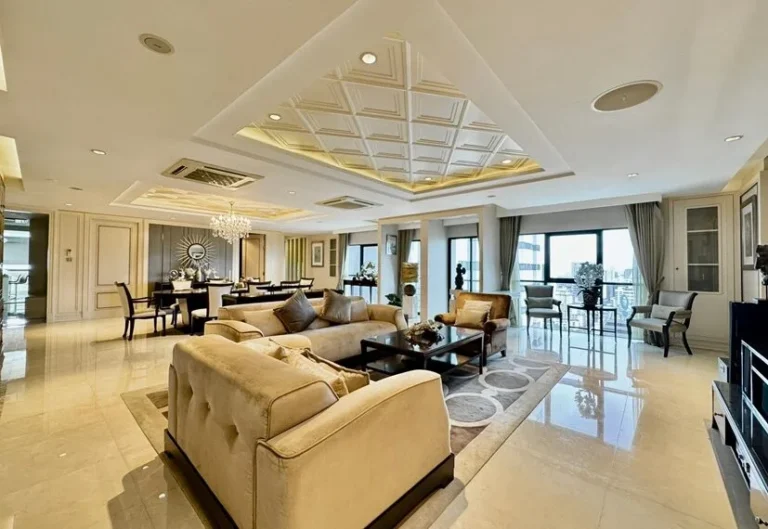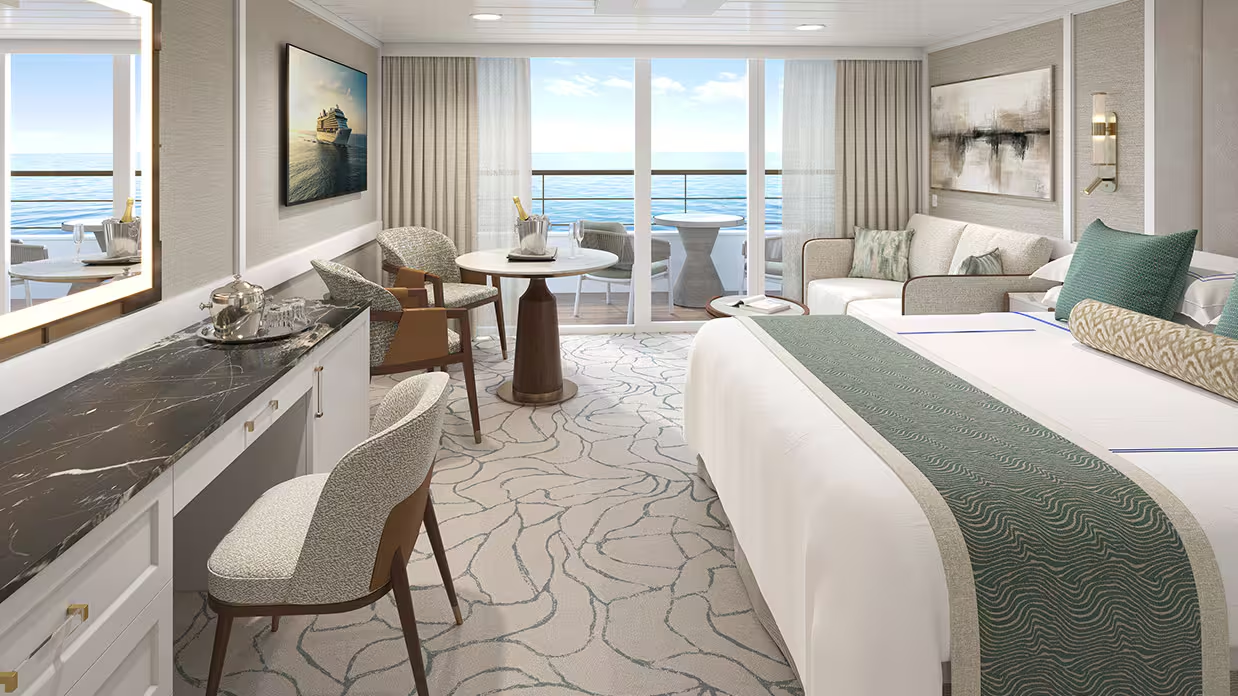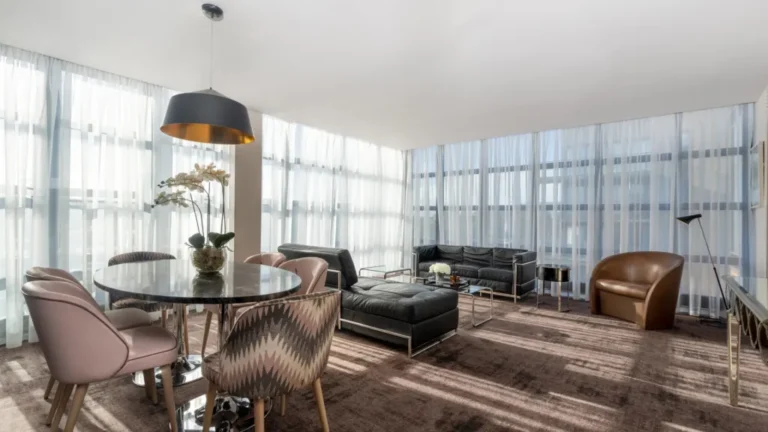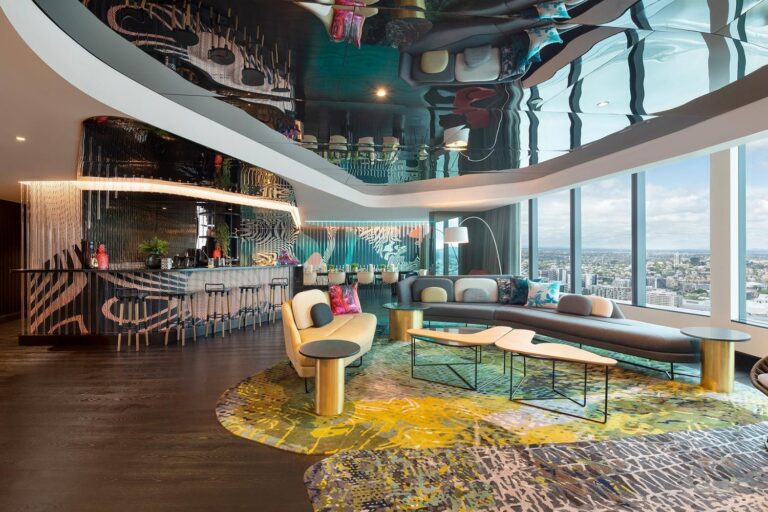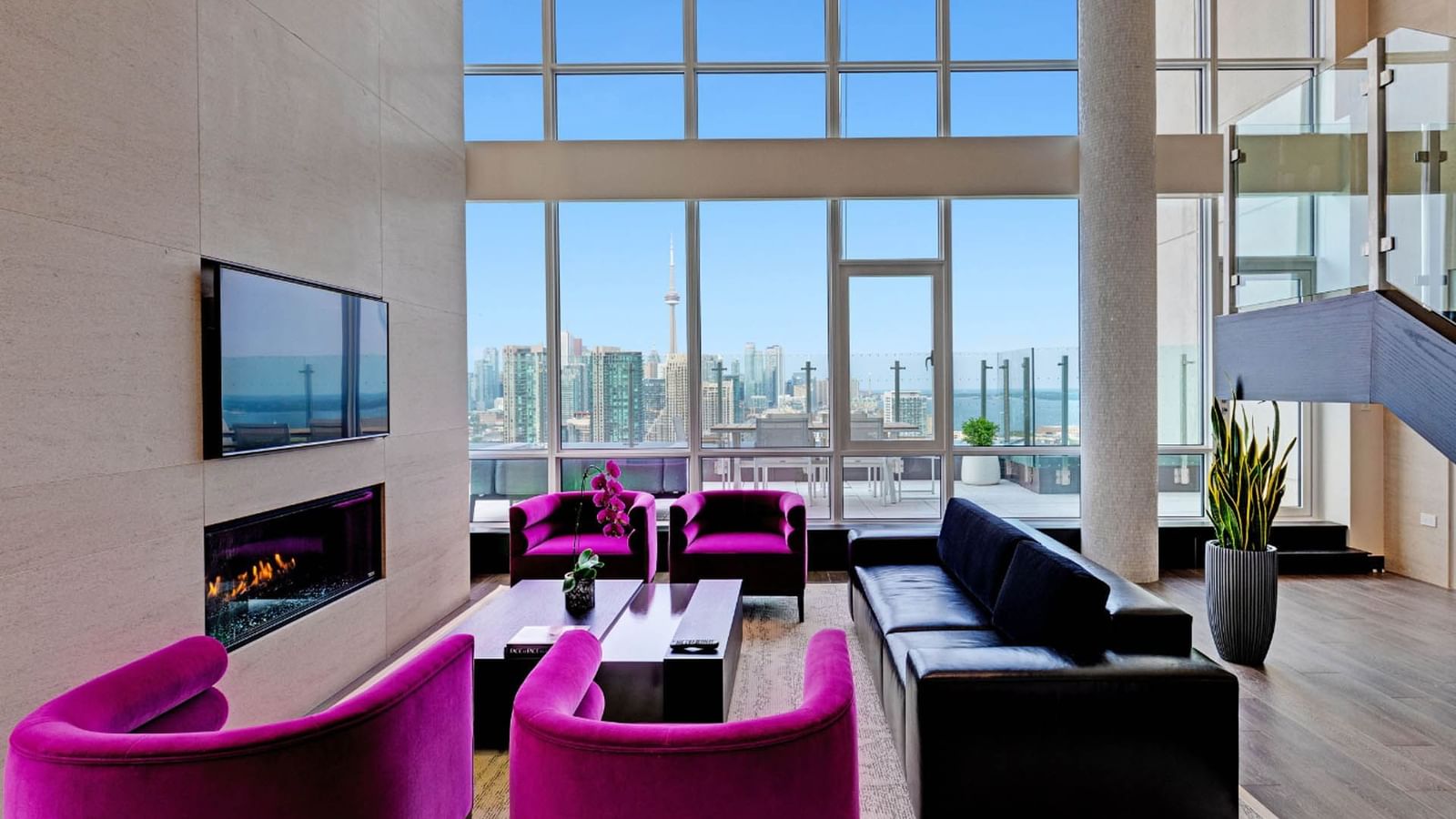
The penthouse exists as the apex of the hospitality and residential real estate market, yet the mechanisms for securing these assets remain surprisingly opaque. Unlike standard room reservations or residential leases, the procurement of a top-floor suite involves a sophisticated interplay of logistical demands, bespoke service requirements, and rigid institutional protocols. For the high-net-worth traveler or the corporate entity, the process is rarely a simple transaction. It is a negotiation of space, security, and service that requires a deep understanding of the property’s operational back-end.
Securing these assets necessitates more than just capital; it requires an informed approach to what is often an unlisted or “invite-only” inventory. The most desirable units frequently remain absent from public booking engines, held in reserve for preferred partners or negotiated through direct, high-level channels. Consequently, the ability to navigate these hidden networks—and to understand the contractual nuances of such arrangements—becomes the primary differentiator between a standard stay and a frictionless, optimized experience.
This article provides a rigorous analytical framework for those tasked with the procurement of elite accommodations. We strip away the marketing hyperbole often associated with these spaces, focusing instead on the structural, financial, and logistical realities that define the acquisition process. By examining the lifecycle of a high-end booking—from initial inquiry to final settlement—we offer a roadmap for achieving consistency and security in the most demanding segments of the global market.
Understanding “penthouse suites booking plans”
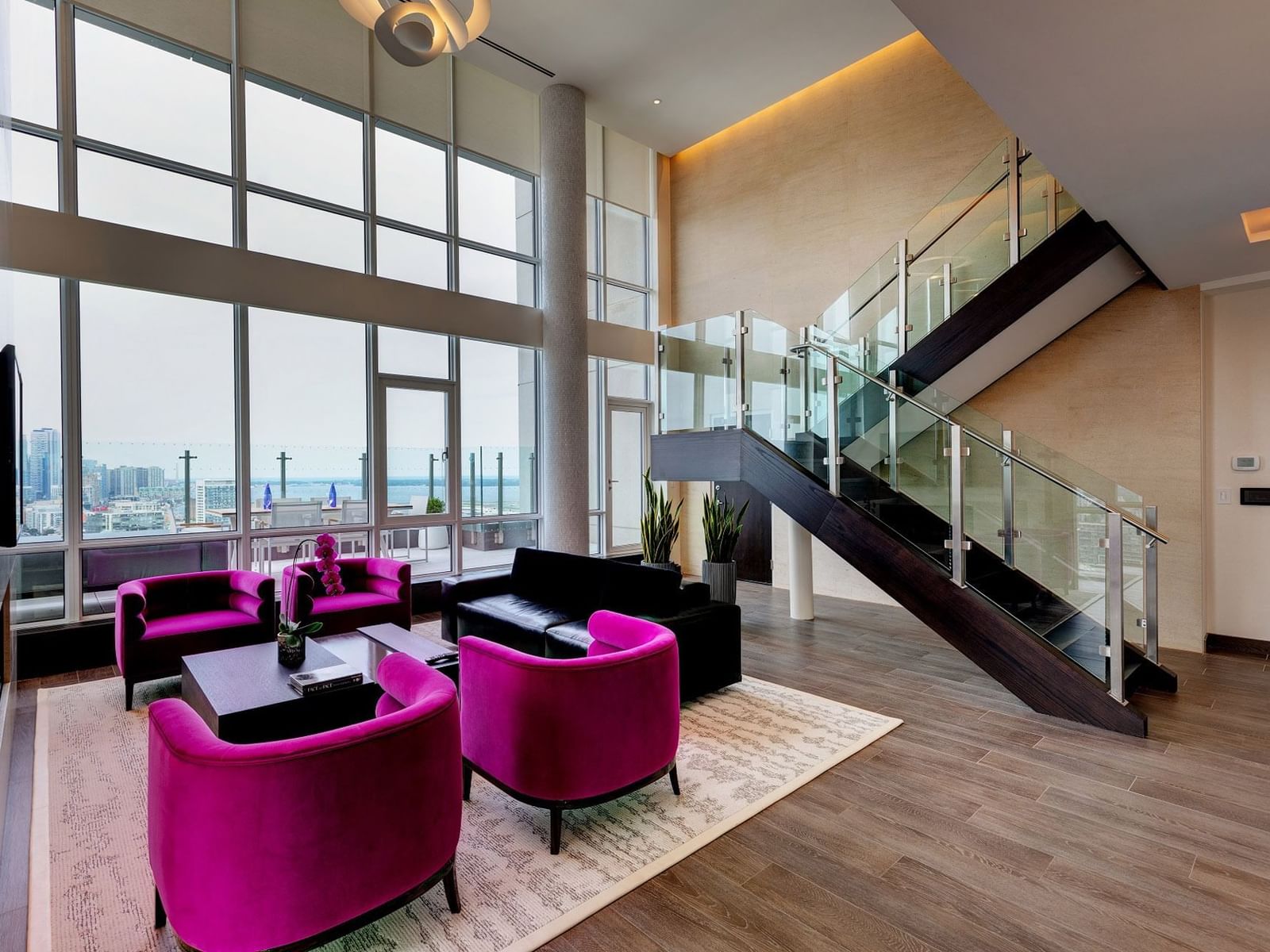
The phrase “penthouse suites booking plans” is frequently misinterpreted as a standardized set of procedures. In practice, however, these plans are rarely uniform. They function as a highly customized operational agreement, encompassing everything from pre-arrival security sweeps to the calibration of on-site service staff. A common misunderstanding occurs when entities assume that a luxury booking includes an inherent, standardized level of privacy or utility.
Oversimplification poses a significant risk to the procurement process. By treating these acquisitions as simple, transactional bookings, planners often overlook the structural and logistical constraints that can impact the utility of the space. For example, a property may claim to offer “penthouse suites booking plans,” but if those plans do not account for dedicated freight elevator access, secure document delivery, or specific non-disclosure requirements, the utility of the space for a high-stakes corporate retreat or a high-profile stay is severely diminished.
Deep Contextual Background: The Evolution of High-Altitude Hospitality
The history of the penthouse as a hospitality product is rooted in the early 20th-century development of the urban “tower hotel.” Originally, these spaces were utilized as residential apartments for long-term guests, serving as permanent or semi-permanent city homes for the global elite. As the hotel industry transitioned toward short-term, high-margin luxury, these units were repurposed. Operators quickly realized that the architectural premium afforded by height allowed for a significant expansion of the profit margin per square foot.
This transition from residential permanence to hospitality variability introduced significant challenges. Early penthouse offerings were often poorly integrated into the broader hotel infrastructure, suffering from sluggish service, inconsistent temperature control, and inadequate vertical transport. Modern property development has since corrected these issues by integrating the penthouse into the building’s core service loop.
Conceptual Frameworks for Procurement
To navigate the acquisition of high-end space, utilize these three mental models:
-
The Logistical Integration Model: Does the booking process account for the “last mile” of the stay?
-
The Operational Autonomy Principle: Does the property treat the penthouse as an independent entity, or is it merely the top floor of a standard hotel?
-
The Asset Lifecycle Framework: View the booking as an asset rather than a consumption of a service. This implies that the cost is not merely the daily rate, but the total investment in productivity, privacy, and risk mitigation.
Key Categories and Operational Variations
| Category | Typical Service Profile | primary Utility |
| The Executive Anchor | 24/7 Butler/Security | High-stakes corporate presence |
| The Residential Suite | Self-contained kitchen/laundry | Long-term stays; domestic comfort |
| The Event-Centric Unit | Large-scale entertaining space | Media launches; private networking |
| The Secluded Sanctuary | High privacy; minimal service flow | Absolute privacy for high-profile guests |
Decision Logic: When evaluating the viability of various penthouse suites booking plans, prioritize the “Service Proximity Index.” If the staff service path requires transit through public hotel spaces, the unit’s privacy profile is inherently compromised, regardless of the quality of the interior design.
Detailed Real-World Scenarios
-
The Corporate Strategic Offsite: Constraints include data security and the need for private, soundproofed meeting space. Decision: Prioritize properties that offer dedicated “boardroom” wings within the suite. Failure Mode: Inadequate local bandwidth or a failure to prevent external access to the meeting zone by building maintenance.
-
The Global Media Tour: The requirement is high-visibility, professional-grade lighting and modular space for interviews. Decision: Choose units with “gallery-ready” open floorplans. Second-Order Effect: Without advanced light control, these spaces often suffer from extreme heat gain, requiring a pre-check of automated shading systems.
-
The Long-Term Diplomatic Stay: The need is for high-density secure document storage and a secondary secure entrance. Decision: Properties with “back-of-house” service bridges that bypass the main lobby entirely. Constraint: If the building lacks these, the security overhead increases substantially, requiring more personnel.
Planning, Cost, and Resource Dynamics
The acquisition of penthouse space involves a tiered economic structure. Planners must account for the “Complexity Premium”—the added cost incurred when customizing the service environment to meet non-standard requirements.
| Cost Component | Relative Impact | Variability |
| Base Lease/Daily Rate | 50% | High |
| Specialty Service/Staffing | 20% | Medium |
| Security/Logistics Overlay | 20% | High |
| Contingency Fund | 10% | Fixed |
Note: Opportunity cost is a significant factor. Booking a suite that is ill-suited to the task can result in lost productivity or missed strategic opportunities, effectively negating the perceived savings of a lower-tier unit.
The Risk Landscape and Systemic Failure Modes
The failure modes in these environments are almost always compounded by the isolation of the upper levels. A scheduling conflict involving a specific elevator bank can become a high-visibility security issue.
-
The Connectivity Gap: Assuming standard Wi-Fi is sufficient for massive data uploads.
-
The “Protocol Drift”: Staff turnover at the property level can erode established security or service protocols if these protocols are not codified in a written, multi-party agreement.
-
The Thermal Threshold: In extreme environments, high-altitude glass acts as a heat sink. Failing to test the climate control capacity before a high-profile occupancy can lead to unacceptable living conditions.
Governance, Maintenance, and Long-Term Adaptation
To ensure the success of high-end acquisitions, apply a governance structure that spans the duration of the engagement:
-
The Pre-Arrival Audit: A formal, 48-hour check of all service pathways, secure entrances, and communications infrastructure.
-
The Daily Briefing: A structured communication flow between the client’s security lead and the hotel’s operations manager.
-
The Adjustment Trigger: A predefined mechanism for escalating issues to senior ownership if the agreed-upon service levels are not met within a fixed timeframe.
-
Digital Twins: For recurring stays, maintain a comprehensive log of the suite’s layout, preferences, and performance data to inform future visits.
Measurement, Tracking, and Evaluation
Evaluation should focus on performance indicators:
-
Leading Indicators: Success rate of pre-arrival audit checkpoints, response time of staff to non-standard requests, and bandwidth stability logs.
-
Lagging Indicators: Post-stay analysis of privacy breaches, logistical delays, and client satisfaction regarding the consistency of the operational environment.
-
Qualitative Signals: A review of whether the unit successfully facilitated the primary mission, be it strategic alignment, media engagement, or private rest.
Common Misconceptions and Oversimplifications
-
“All penthouses are inherently secure.” Security is a function of protocol, not elevation. A high floor does not preclude unauthorized access via service lifts.
-
“Booking the largest suite is always better.” Volumetric excess without functional purpose creates unmanageable spaces that complicate rather than aid logistics.
-
“Hospitality staff are security-trained.” Standard hotel training does not include the nuances of high-stakes privacy or document control. Always request specialized staff if the mission is sensitive.
-
“The view is the primary amenity.” In operational terms, the view is a distraction. The primary amenity is the structural and service architecture supporting the suite.
Conclusion
Securing elite accommodations is an exercise in discerning the intersection of architectural beauty and operational rigor. The true success of the booking process is found where technical performance meets human-centric comfort. By focusing on the structural realities of vertical habitation and rejecting the superficial indicators of status, one can identify residences that serve as high-performance assets. The future of this market belongs to those who view the residence not as a destination, but as a sophisticated, adaptable system that evolves alongside the requirements of the occupants.